
How Materials and Quality Impact Gantry Crane Costs
When purchasing a gantry crane, one of the most critical factors influencing both the initial investment and long-term performance is the materials used in its construction and the overall quality of its manufacturing. Gantry cranes are heavy-duty machines designed to lift and move massive loads in industrial settings such as steel mills, shipyards, ports, warehouses, and precast concrete factories. The choice of materials, fabrication methods, and quality control directly affect the crane’s reliability, operational lifespan, and, of course, cost. In this article, we will explore how materials and construction quality determine gantry crane costs and why investing in higher-quality components can ultimately save money and improve safety.
1. Understanding Gantry Crane Components
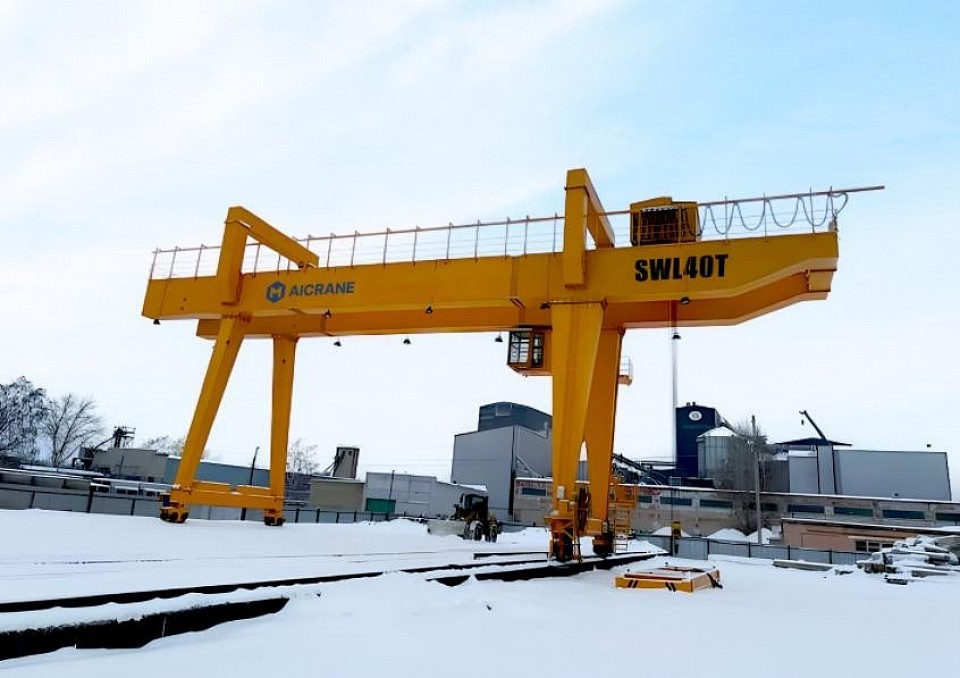
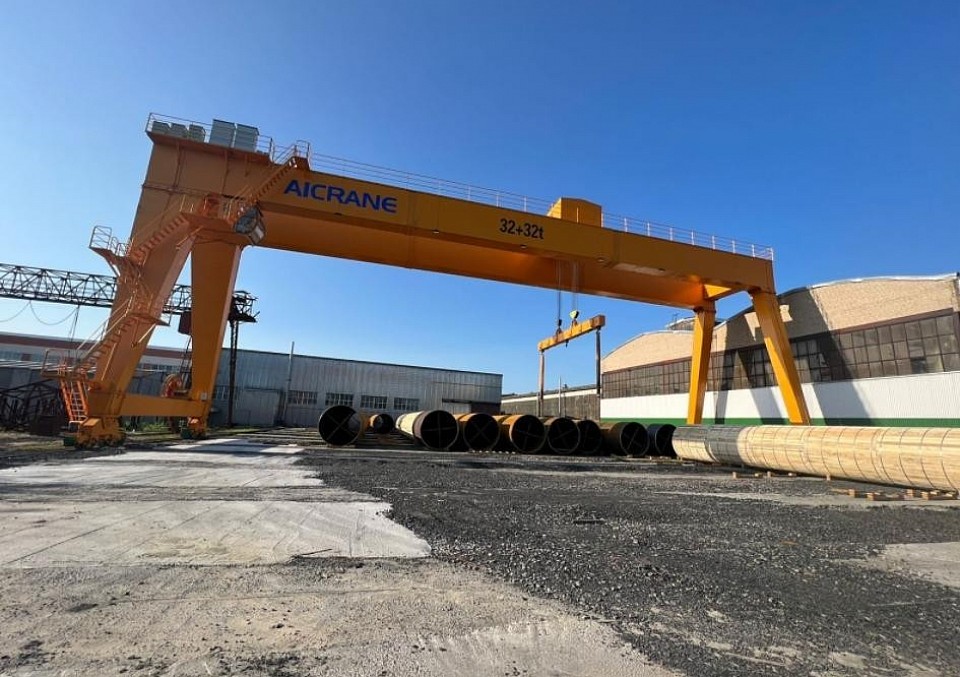
A gantry crane consists of several key structural and mechanical components. Each of these components has specific material requirements and fabrication standards that influence both the cost and performance of the crane. The primary components include:
Main girders: The horizontal beams that span across the crane’s width, supporting the trolley and hoist.
Legs and support frames: Vertical structures that carry the weight of the crane and its load.
Trolley and hoist mechanisms: Mechanical systems responsible for lifting and moving loads along the girder.
End trucks and wheels: Components that allow the crane to move along rails or tracks.
Electrical and control systems: Includes motors, drives, and control panels, which are essential for safe and efficient operation.
Each of these elements requires careful material selection and precision construction to ensure structural integrity, operational efficiency, and long-term reliability.
2. The Role of Materials in Gantry Crane Cost
The materials used in gantry crane construction have a direct impact on both the crane’s manufacturing cost and its performance. Key material considerations include:
a) Steel Grade and Quality
Steel is the primary material used in the structural components of gantry cranes. The grade, tensile strength, and quality of steel significantly affect gantry crane cost. Higher-grade steel with superior tensile strength can withstand heavier loads, reduce deflection, and provide better resistance to fatigue.
For example, mild steel is cheaper but may not handle repeated heavy-duty lifting over time without deformation. On the other hand, high-strength low-alloy steel is more expensive but offers better durability and longer lifespan. Using inferior steel may reduce initial costs but can lead to higher maintenance expenses and potential safety risks.
b) Corrosion Resistance
For outdoor gantry cranes, corrosion resistance is a critical factor. Saltwater ports, chemical plants, and humid environments accelerate rusting, which can compromise structural integrity. Cranes exposed to harsh environments often use weather-resistant steel or are coated with industrial-grade paints, galvanization, or powder coating. These protective measures increase material and manufacturing costs but significantly extend the service life of the crane.
c) Mechanical Components Materials
The trolley, hoist, gears, and wheel assemblies are typically made from alloy steel, cast iron, or other durable materials designed to withstand wear and tear. Premium materials reduce the risk of premature failure, minimize downtime, and ensure smoother operation. While these components are expensive upfront, their quality reduces maintenance costs and avoids unexpected operational losses.
3. Construction Quality and Its Impact on Cost
Beyond the raw materials, the quality of construction is a major factor in the overall cost of a gantry crane. High construction quality ensures safety, precision, and longevity, but it comes with additional manufacturing and labor costs. Key aspects include:
a) Welding and Fabrication
Welding is a critical process in gantry crane manufacturing. Poor welding can lead to weak joints, structural defects, and even catastrophic failure under heavy loads. High-quality welding requires skilled labor, proper welding techniques, and thorough inspection. Techniques such as submerged arc welding (SAW) or automated welding are more expensive than manual welding but provide consistent quality, reduce defects, and improve overall safety.
b) Dimensional Accuracy
Precise fabrication ensures that all components fit together correctly. Misalignment in girders, legs, or trolley tracks can cause uneven load distribution, premature wear, or operational inefficiencies. Achieving high dimensional accuracy may require CNC cutting, laser alignment, and rigorous quality control processes, all of which increase manufacturing costs.
c) Load Testing and Inspection
A high-quality gantry crane undergoes extensive load testing and inspection before leaving the factory. Testing ensures that the crane can handle its rated capacity safely and operate smoothly under real-world conditions. While these procedures add to upfront costs, they prevent potential accidents, reduce liability, and protect the buyer’s investment.
4. Influence of Materials and Construction on Long-Term Costs
Investing in high-quality materials and construction has a profound effect on the total cost of ownership of a gantry crane. While the initial purchase price may be higher, the benefits include:
Reduced Maintenance Costs: Stronger materials and better fabrication reduce wear and tear, extending the intervals between maintenance.
Longer Lifespan: High-quality steel, corrosion-resistant coatings, and precision construction prolong the crane’s operational life, delaying the need for replacement.
Improved Safety: Reducing the risk of structural failure or mechanical malfunction protects workers and prevents costly accidents.
Higher Operational Efficiency: Smooth movement, precise lifting, and durable mechanical components increase productivity, indirectly saving costs over time.
Conversely, choosing cheaper materials and low-quality construction may save money initially but often leads to frequent repairs, shorter lifespan, and higher long-term costs. In industries where downtime is expensive, this can significantly impact overall profitability.
5. Cost Considerations for Different Gantry Crane Types
Different gantry crane types and applications influence the materials and construction requirements:
Light-duty gantry cranes (1–20 ton gantry cranes): Often used in warehouses and workshops, these cranes may use mild steel and simpler hoist mechanisms, keeping costs lower.
Medium-duty gantry cranes (20–50 ton gantry cranes): Used in precast concrete yards, factories, or shipyards, these cranes require higher-grade steel, precision fabrication, and more robust mechanical components.
Heavy-duty gantry cranes (50–500 ton gantry cranes): Found in ports, steel mills, and large industrial facilities, these cranes demand top-grade steel, high-precision welding, advanced hoist mechanisms, and rigorous quality assurance. Here, the cost of materials and construction quality can account for a significant portion of the total investment.
6. Balancing Cost and Quality
When considering the cost of a gantry crane, buyers should balance initial expenditure with long-term benefits. Choosing high-quality materials and reliable construction methods may appear more expensive initially, but it provides lower total cost of ownership. Factors to consider include:
Load Requirements: Ensure that materials and construction quality meet or exceed the intended load capacity.
Environmental Conditions: Consider exposure to corrosion, extreme temperatures, or outdoor elements.
Operational Frequency: Cranes used frequently require higher-quality mechanical components and robust structures.
Maintenance Capabilities: Investing in durable materials reduces maintenance frequency and downtime.
Consulting with a reputable gantry crane manufacturer, such as Aicrane, allows buyers to select the right combination of materials, construction quality, and features that match both their budget and operational requirements.
Conclusion
Materials and construction quality are central factors affecting the cost of a gantry crane. High-grade steel, corrosion-resistant coatings, durable mechanical components, precise fabrication, skilled welding, and rigorous testing all contribute to higher upfront costs but provide substantial long-term benefits. Investing in quality ensures safety, operational efficiency, and extended service life, while cutting corners on materials and construction often leads to increased maintenance, reduced lifespan, and potential safety hazards.
Ultimately, the cost of a gantry crane should not be evaluated solely based on the purchase price. Understanding the materials and construction quality, and their impact on durability, safety, and performance, is essential for making a cost-effective and reliable investment in industrial lifting equipment.
