
Exploring the Key Lifting Mechanisms That Enhance Efficiency, Safety, and Versatility
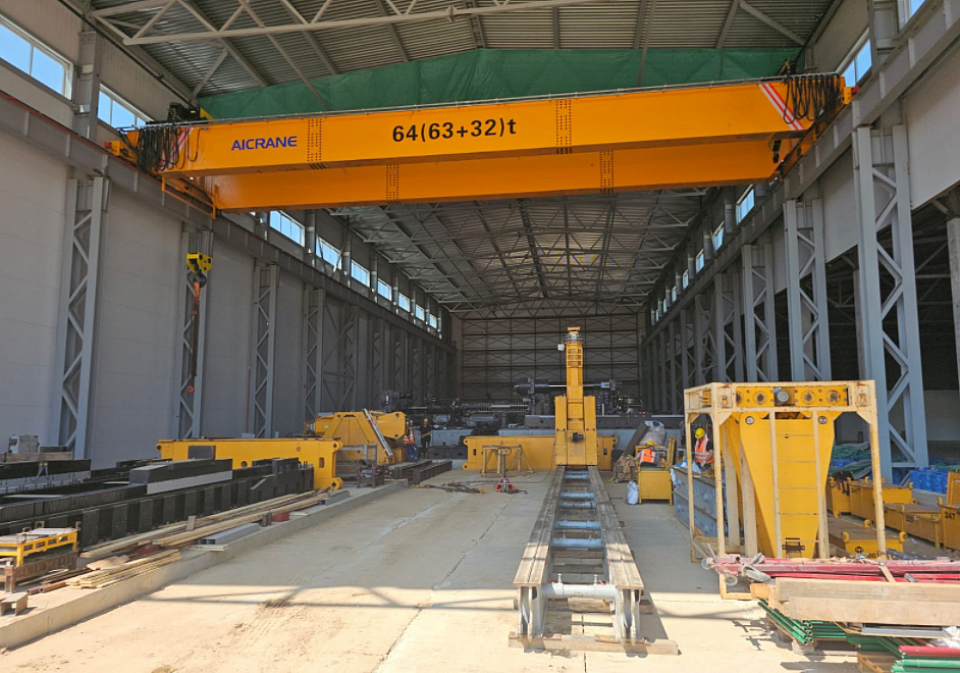
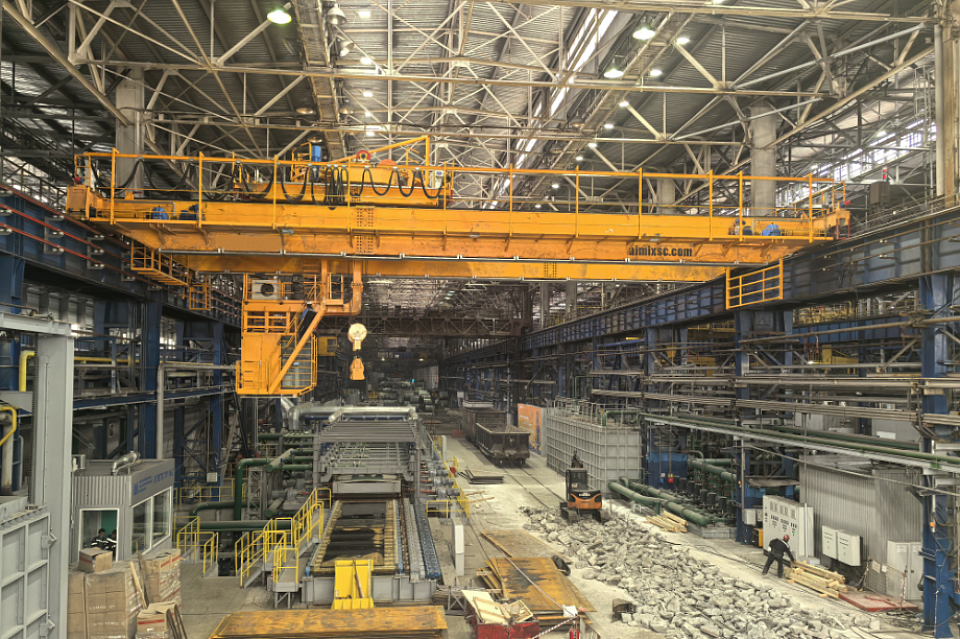
Double girder overhead cranes are essential equipment in heavy industries, manufacturing facilities, shipyards, and logistics centers. Their primary function is to lift, transport, and position heavy loads efficiently and safely. A key aspect of their performance and versatility lies in the lifting mechanism. The choice of lifting mechanism not only affects lifting capacity, speed, and precision but also determines maintenance requirements and overall operational safety. Understanding the common lifting mechanisms used in double girder overhead cranes is crucial for plant managers, engineers, and operators who rely on these cranes for critical operations.
Wire Rope Hoists
One of the most widely used lifting mechanisms in double girder overhead cranes is the wire rope hoist. Wire rope hoists consist of a drum, motor, gearbox, and a steel wire rope that winds around the drum. The rope passes through a series of sheaves and hooks to lift heavy loads.
Advantages of Wire Rope Hoists:
High load capacity: Wire rope hoists can handle extremely heavy loads, often exceeding 100 tons, making them ideal for heavy-duty industrial applications.
Durability: Steel wire ropes are robust and can endure harsh working environments.
High lifting height: Wire rope hoists can achieve greater lifting heights compared to chain hoists, as the rope can be spooled multiple times on the drum.
Considerations:
Regular inspection and maintenance of the wire rope are required to prevent wear and fatigue.
Lubrication of the rope and drum is necessary to avoid corrosion.
Proper alignment of sheaves and pulleys is crucial for smooth operation.
Wire rope hoists are commonly used in steel plants, shipyards, and power plants, where heavy components must be lifted frequently and safely.
Chain Hoists
Another common lifting mechanism is the chain hoist, which can be either electric or manual. Chain hoists use a chain to lift and lower loads, guided by sprockets and geared mechanisms. Electric chain hoists are particularly popular for medium-duty double girder cranes, handling loads typically up to 10–20 tons.
Advantages of Chain Hoists:
Compact design: Chain hoists are smaller and lighter than wire rope hoists, allowing for easier installation and maintenance.
Precision lifting: They provide smoother and more precise load control, which is valuable when handling delicate or high-precision components.
Ease of maintenance: Chains are easy to inspect, clean, and replace if worn or damaged.
Considerations:
Chain hoists generally have a lower lifting height compared to wire rope hoists due to the limited chain length.
Chains are susceptible to elongation over time, which can affect lifting accuracy.
Suitable mostly for light to medium-duty operations rather than extremely heavy loads.
Electric chain hoists are common in warehouses, assembly plants, and workshops, where precision and maneuverability are more important than lifting extreme weights.
Hook and Pulley Systems
Traditional hook and pulley systems are integrated into most double girder cranes, regardless of whether a wire rope or chain hoist is used. The hook is the interface between the crane and the load, often equipped with safety latches to prevent accidental release. Pulleys, or sheaves, are used to redirect the hoisting rope or chain and increase mechanical advantage in complex lifting operations.
Advantages:
Versatility: Hook and pulley systems can lift irregular-shaped or large loads that may not fit standard lifting attachments.
Load distribution: Multiple pulleys can be used to distribute the weight evenly, reducing stress on the crane structure and hoist.
Adaptability: Hooks can be easily paired with slings, lifting beams, or other rigging accessories to accommodate various loads.
Considerations:
Hooks and pulleys require careful inspection for deformation, cracks, or wear.
Using the wrong rigging or overloading the hook can compromise safety.
Pulleys and sheaves must be properly aligned and lubricated to prevent friction and wear.
This mechanism is essential in environments such as steel processing plants and shipyards, where large and awkward loads must be lifted securely.
Magnetic Lifting Devices
For specific applications, particularly in steel manufacturing and handling ferrous metals, magnetic lifting devices are integrated with double girder overhead cranes. These devices generate a magnetic field that allows the crane to pick up and move steel plates, beams, or billets without hooks or slings.
Advantages:
Non-contact lifting: No physical attachment to the load is required, reducing the risk of damage.
High efficiency: Magnetic lifters can handle heavy steel loads quickly and safely.
Remote control operation: Many magnetic lifters are electrically controlled, allowing operators to lift, move, and release loads with precision.
Considerations:
Only effective for ferromagnetic materials.
Requires a power supply and safety interlocks to prevent accidental demagnetization.
Periodic testing is necessary to ensure magnetic strength and reliability.
Magnetic lifting is common in steel mills, metal fabrication shops, and scrap handling facilities.
Vacuum Lifting Systems
For lightweight, non-metallic loads, vacuum lifting systems are sometimes used in double girder overhead cranes. These systems use suction pads and vacuum pumps to lift large panels, sheets, or glass without mechanical hooks.
Advantages:
Gentle handling: Ideal for fragile or sensitive materials, minimizing surface damage.
Flexible load shapes: Can handle flat, irregular, or smooth-surfaced items efficiently.
Remote operation: Often operated via remote control for precise positioning.
Considerations:
Limited to materials that can form a proper vacuum seal.
Lift capacity is lower compared to wire rope or chain hoists.
Requires regular inspection of suction pads, hoses, and vacuum pumps.
Vacuum lifters are commonly used in woodworking, glass manufacturing, and lightweight composite handling.
Slewing and Spreader Mechanisms
Some double girder eot cranes are equipped with spreader beams or slewing mechanisms, which allow the crane to lift long or bulky loads, such as steel coils, concrete beams, or containers. These devices work in conjunction with standard hoists but improve load stability and balance.
Advantages:
Load stabilization: Reduces swaying or tilting of long or uneven loads.
Customizable lifting: Spreader beams can be tailored to specific load dimensions.
Enhanced safety: Distributes weight evenly, reducing risk of crane overload or tipping.
Considerations:
Requires skilled operators to use correctly.
Spreader beams add to the overall lifting height and span requirements.
Periodic inspection is required for hooks, cables, and structural components.
Spreader and slewing systems are common in port container handling, precast concrete plants, and steel coil operations.
Conclusion
The lifting mechanism is a critical component of any double girder overhead crane, directly influencing performance, safety, and operational efficiency. From wire rope and chain hoists to magnetic, vacuum, and spreader systems, each mechanism has unique advantages and considerations. The selection of a suitable lifting mechanism depends on the load type, weight, lifting height, frequency, and precision requirements of the operation. Understanding these mechanisms ensures that double girder cranes can deliver reliable, efficient, and safe performance across a wide range of industrial applications. Proper installation, regular inspection, and maintenance are equally important to maximize the lifespan of the lifting system and maintain workplace safety.
