
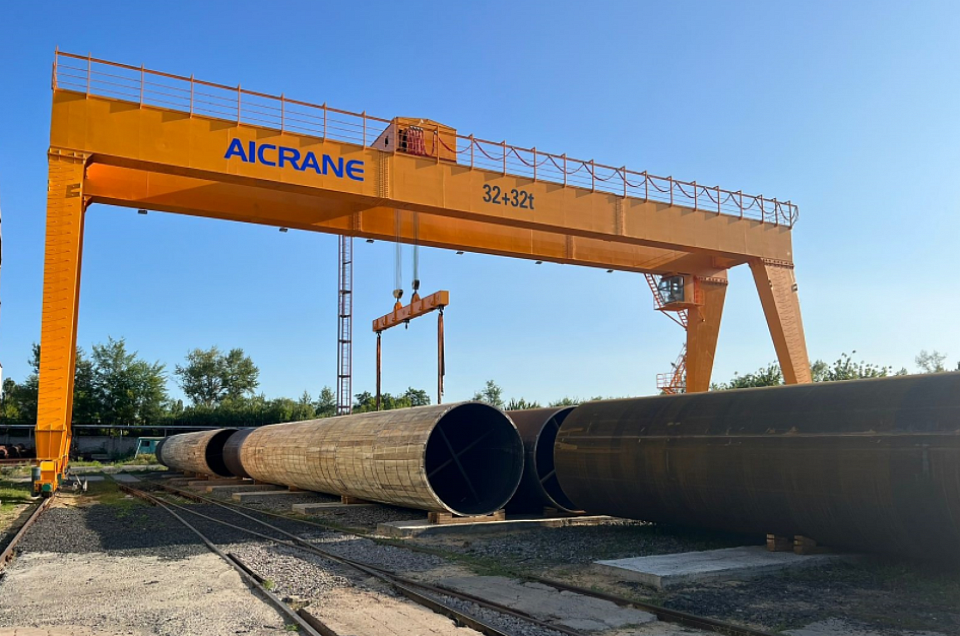
Cranes are at the heart of modern industrial operations, enabling efficient and safe lifting of heavy loads across manufacturing, construction, and logistics sectors. Among the most widely used cranes are overhead cranes and gantry cranes, each offering unique advantages for different lifting applications. Understanding their design, capabilities, and typical uses is crucial for businesses seeking reliable lifting solutions.
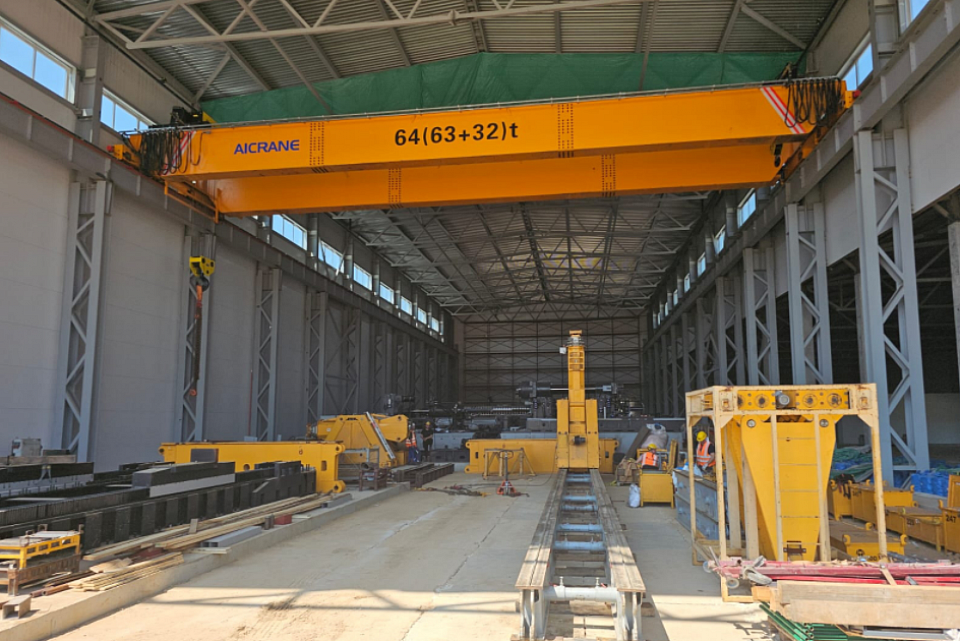
Overhead Cranes (Bridge Cranes)
Overhead cranes, often referred to as bridge cranes, consist of a horizontal beam (the bridge) that moves along parallel runways mounted on building structures. A hoist travels along the bridge, allowing precise movement of heavy loads in both horizontal and vertical directions.
Key Features:
High Lifting Capacity: Overhead crane for sale can handle loads ranging from a few tons to several hundred tons, making them ideal for heavy manufacturing and assembly operations.
Space Efficiency: By operating above the workspace, they free up floor space for other machinery or processes.
Precision and Control: Equipped with advanced hoists and control systems, these cranes allow for smooth, accurate lifting and placement of materials.
Applications:
Overhead cranes are commonly used in steel mills, warehouses, factories, and assembly lines. They are especially effective in environments where heavy materials need to be moved consistently and safely along fixed paths.
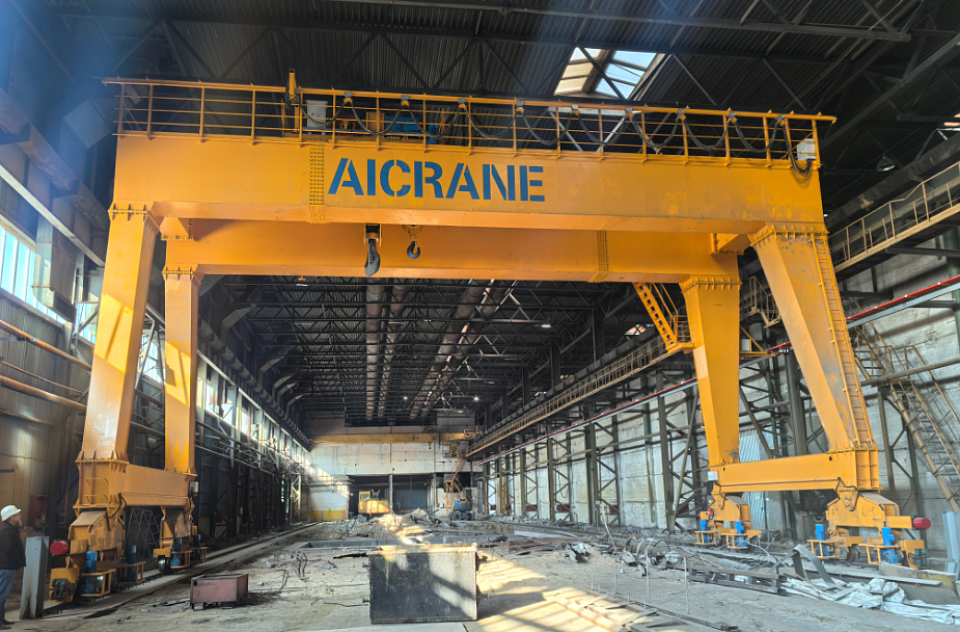
Gantry Cranes
Gantry cranes share some similarities with overhead cranes but differ in their support structure. Instead of being mounted on a building, overhead gantry cranes have their own supporting legs, which move on the ground, often along rails. This makes them highly versatile for outdoor and semi-permanent lifting operations.
Key Features:
Mobility: Gantry cranes can be relocated as needed, making them suitable for shipyards, container yards, and construction sites.
Customizable Span and Height: These cranes can be designed to cover wide areas and lift loads to significant heights, accommodating various operational requirements.
Heavy Load Handling: Like overhead cranes, gantry cranes are capable of handling very heavy loads, including steel coils, containers, and machinery.
Applications:
Gantry cranes are commonly used in ports for container handling, in construction for bridge and large-scale infrastructure projects, and in industrial sites where flexible lifting coverage is needed without permanent building support.
Choosing Between Overhead and Gantry Cranes
Selecting the right crane depends on operational needs, workspace constraints, and lifting requirements:
Indoor Fixed Operations: Overhead cranes are ideal for manufacturing plants and warehouses where a fixed lifting path is sufficient.
Outdoor or Flexible Operations: Gantry cranes are preferred in open yards, construction sites, and shipyards where mobility and adjustable coverage are crucial.
Load Capacity and Span: Both crane types can be customized for capacity, span, and lifting height, but gantry cranes often offer more flexibility for temporary or changing layouts.
Conclusion
Both overhead and gantry cranes are indispensable in modern industry, enabling safer, faster, and more efficient lifting operations. By understanding their differences and applications, businesses can select the crane that best fits their operational requirements, ensuring long-term productivity and safety.
For companies seeking professional lifting solutions, partnering with an experienced crane supplier can provide customized options, expert guidance, and reliable after-sales support. Whether you need a bridge crane for your workshop or a gantry crane for an outdoor yard, investing in the right lifting equipment is a critical step toward operational excellence.
